
HISTORICAL CAGALOGLU HAMAM
-
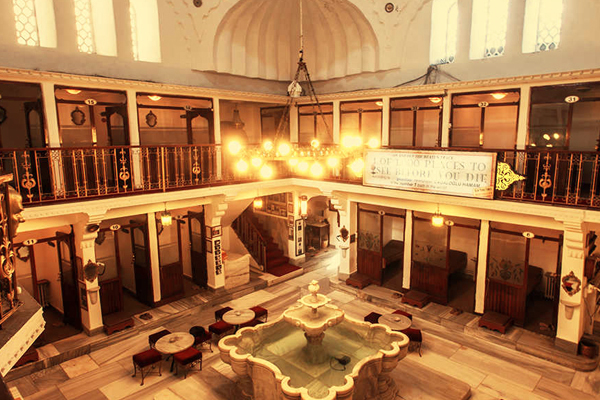 Cagaloğlu Hamamı Interior Appearance
 -
 The coldness will
 -
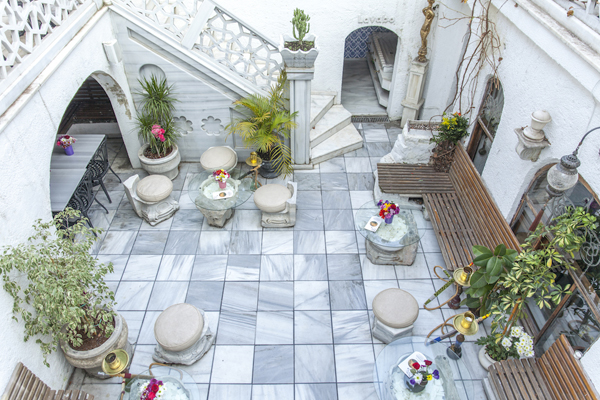
 Garden
 -
 Date Accessories
 -
 External Appearance
 -
 Cagaloğlu Public Bath Interior Design
 -
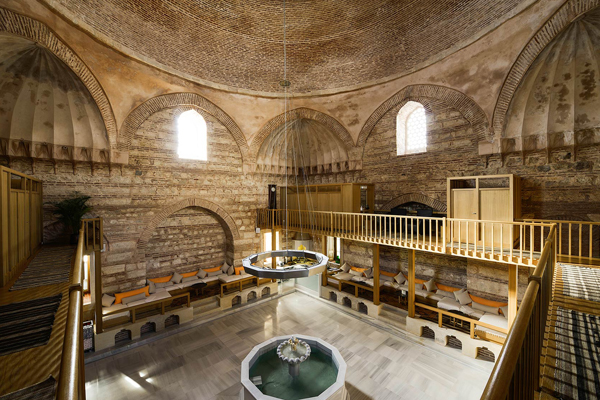 Cagaloğlu Public Bath Interior Design
 -
 Cagaloğlu Hamamı Skins
HISTORICAL CAGALOGLU HAMAM
The Cağaloğlu Bath was built in 1741 to provide income to the library of the period sultan I.Mahmut in the Haghia Sophia library and to the Aya Sofya Mosque. The plan of the bath was drawn to Hassa Architect Süleyman Ağ and the bath was built by Abdullah Aga. Before the Cağaloğlu Bath there was a palace of Damat Ibrahim Pasha, born in Nevşehir, in the same place. This building burned in 1740 and the construction of the Cağaloğlu Bath was started.
In 1768 Sultan III. Mustafa has a great importance in history and today due to the fact that the city is the last big bath built before the prohibition of the construction of the big bath due to the increasing water and wood needs.
Cağaloğlu Bath is the biggest double bath in İstanbul. In the architectural structure of the work near the Yerebatan Cistern, in the arrangement of the cold and warm parts of the structure, the Baroque style is not new in the classical Ottoman architecture. In the male part, a large dome covered with rope, a small dome and seven vaults covered with cold is passed.
The temperature is also covered by a large dome that sits on arches connecting eight marble columns. There is a big belly stone in the middle, and a dome with a dome on the sides. In the double bath with separate sections for women and men, the women look out onto the baths, the men look out onto the street. Cağaloğlu Baths cover a wide dome. There are locker rooms built around consoles around the screen.
In the middle of the bath; There is a large pool with one piece of marble and there is an exquisite threefold fountain in the middle of the pool.
The wide dome and seven crib dome, built on four marble feet in the warmth of the bath, constitute the roof of the building and are passed from there to the bathhouse. Harare; It is covered with a dome and a dazzling dome that is placed on eight embroidered marble columns. Standing for three hundred years with all its glory, Cağaloğlu Bath is still experiencing a spiritual history, not only physical, but also the rest of the day. Here it is time to smell past centuries